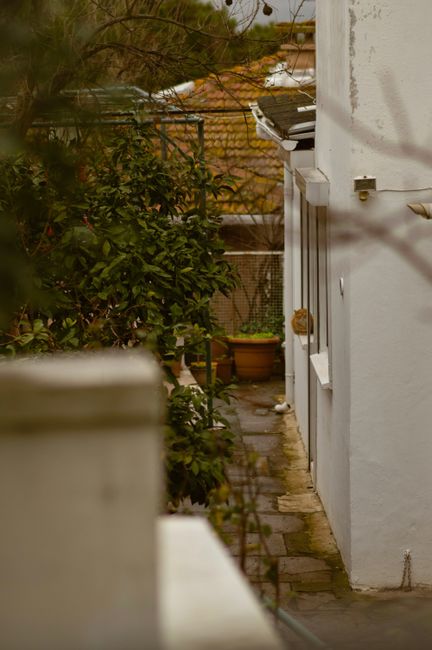
Gardeners for awkward access gardens in Cricklewood
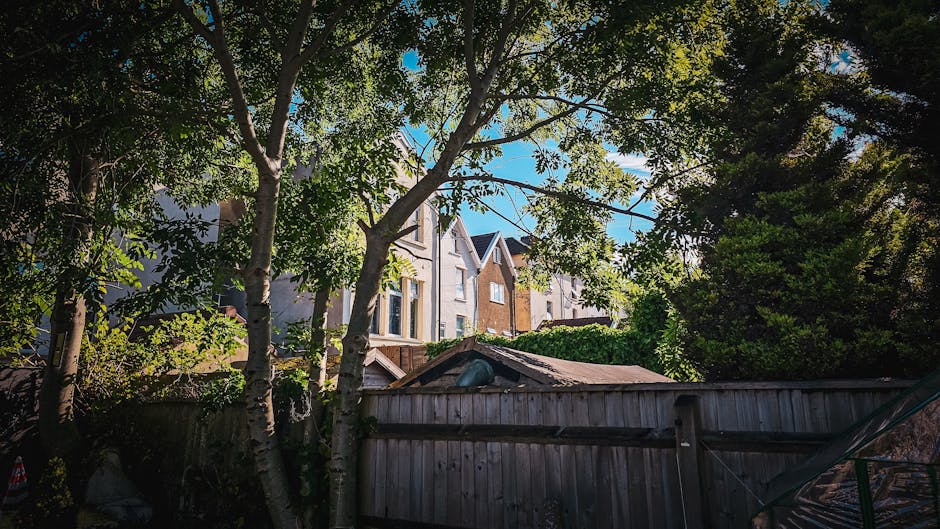
If your garden is tucked behind a narrow alley, reached through the house, or hidden past a flight of awkward steps, you already know the problem: good gardening work can become a logistical puzzle. That is exactly where Gardeners for awkward access gardens in Cricklewood make a real difference. The right team can handle tight side returns, rear access only properties, shared passageways, steep paths, and all the little details that turn a routine job into a careful operation.
In a place like Cricklewood, where homes vary from compact terraces to larger plots with tricky rear access, a standard "one-size-fits-all" approach often falls short. This article explains how awkward-access garden work actually works, what to expect, which methods are safest, and how to choose practical help without making the job harder than it needs to be. You will also find a checklist, a realistic example, and a few common mistakes that are easy to avoid once you know what to look for.
Why Gardeners for awkward access gardens in Cricklewood Matters
Awkward access changes everything. A simple hedge trim or lawn tidy can become more time-consuming if equipment has to be carried through a narrow entrance, waste has to be moved by hand, or large plants need careful positioning so they do not damage fences, walls, or paving. In practical terms, the job stops being just "gardening" and becomes a mix of planning, lifting, route management, and precision.
That matters because poor access can lead to rushed work, damaged surfaces, tired staff, and a garden that looks half-finished. It can also frustrate homeowners who expect a quick turnaround but have not been asked the right questions beforehand. A good gardener will assess access before the first spade goes in the soil. Simple enough to say. Not always simple to do.
Cricklewood properties often come with real-world quirks: shared side gates, basement entries, small front gardens that are used as the only route to the rear, or planted areas boxed in by extensions and decking. A skilled team plans around these limitations rather than fighting them. If the garden also needs seasonal upkeep, you may want to explore broader garden maintenance support so the access issue does not keep creating the same problems month after month.
Practical takeaway: awkward access is not just a nuisance. It affects safety, cost, timing, waste removal, and the finish of the garden. The best results come from planning first and cutting later.
How Gardeners for awkward access gardens in Cricklewood Works
Awkward access gardening starts long before the tools come out. A sensible team will first look at how people, tools, and waste can move through the property. That might sound obvious, but you would be surprised how often it gets skipped. The aim is to avoid carrying heavy materials the wrong way, creating unnecessary wear on the house, or using kit that simply will not fit through the available route.
In real terms, the process usually includes:
- checking entrance width, gate clearance, and any low head height points
- identifying slippery steps, loose paving, or uneven ground
- deciding whether smaller tools are needed instead of larger machinery
- planning where cuttings, soil, and waste will be stacked temporarily
- protecting flooring, walls, and door frames where movement is tight
- choosing the safest route for moving green waste out of the garden
For example, lawn work in a hard-to-reach back garden may require compact mowing equipment or even a more manual finish. Hedge work might be done with lighter tools and repeated waste runs rather than one bulky clear-out at the end. If the garden has become overgrown, a staged garden clearance approach often works better than trying to do everything in one go.
Good access planning also affects communication. You should know beforehand whether the team needs side access kept clear, whether bins can be used for green waste, and whether anything fragile should be moved. A minute of preparation can save a morning of faff. And yes, faff is the right word here.
Key Benefits and Practical Advantages
There are several reasons people specifically seek out gardeners who understand awkward access. The first is simple: the garden gets done properly. But the benefits go beyond that.
- Less risk of damage: careful route planning helps protect doors, patios, fences, and interior flooring.
- Better finish: the team can work steadily instead of rushing to beat access constraints.
- Safer handling: awkward lifting and carrying is reduced when the work is planned around the site.
- More realistic scheduling: the job is scoped with access in mind, so timings are less likely to slip.
- Cleaner waste removal: cuttings, branches, and bags of debris are moved in a controlled way.
- Less stress for the homeowner: you do not have to keep improvising on the day.
There is also a quieter benefit that people often overlook: the garden becomes easier to maintain later. When the first round of work is done thoughtfully, paths stay clearer, hedges are shaped in a more manageable way, and planting choices can suit the access limits of the property. If you are planning broader improvements as well, you might look at landscaping support or even landscape gardening to make the layout more workable in the long term.
And to be fair, a neat, well-run job just feels calmer. You notice it in the small things: no scuffed hallway floor, no crushed plants by the gate, no half-finished pile of branches leaning awkwardly against the shed.
Who This Is For and When It Makes Sense
This kind of gardening service is ideal for anyone whose garden is difficult to reach using standard methods. That includes homeowners, landlords, tenants with permission, property managers, and anyone trying to restore an overgrown space that has limited entry points.
It makes sense when one or more of the following apply:
- the only access is through the house or a narrow side passage
- the gate is too tight for larger tools or wheelbarrows
- the garden sits behind an extension or outbuilding
- there are steep steps, slopes, or uneven surfaces
- the space includes delicate paving, decking, or close boundaries
- the plot has become overgrown and needs a careful staged clear-up
It can also be the right choice if you have a specific one-off project, such as preparing a property for sale, tidying a rental between tenancies, or getting a neglected garden back into shape after a long period of no maintenance. In those cases, a specialist team may combine different tasks in one visit, including hedge work, mowing, pruning, and debris removal. For heavily cluttered spaces, a dedicated garden clearance service is often the practical starting point.
Sometimes the signs are subtle. You just know the garden never seems to get fully done, even after a tidy-up. Usually, access is part of the story.
Step-by-Step Guidance
If you are arranging work for an awkward access garden, a clear process helps everyone. Here is the most sensible way to approach it.
- Walk the access route first. Check gates, side paths, rear entries, door widths, steps, and any obstacles. Note where the tight points are.
- List the actual garden tasks. Mowing, hedge trimming, weeding, pruning, clearance, reshaping, or planting all create different access needs.
- Flag risks early. Mention fragile surfaces, uneven paving, low walls, narrow hallways, pets, or anything that must not be moved.
- Ask how waste will be removed. This is a big one. The team should explain whether waste will be bagged, boxed, loaded in stages, or carried out via a specific route.
- Decide on equipment approach. Compact tools, hand tools, lighter machines, and smaller loads may be the safest option.
- Agree the sequence of work. For instance, clearance may need to happen before mowing or hedge trimming, especially in overgrown gardens.
- Leave the route clear on the day. Move bins, bikes, planters, and anything that creates a trip hazard. It sounds basic, but it saves time.
- Review the finish before the team leaves. Check access routes, waste removal, and the final condition of paths, doors, and outdoor surfaces.
In many cases, this same step-by-step thinking is helpful for ongoing upkeep too. If your garden needs regular visits rather than one-off rescue work, look at routine garden maintenance so the job stays manageable instead of drifting back into chaos.
Truth be told, good results usually come from boring things done well. Measurement, prep, sequencing, and tidy waste handling. Not glamorous, but very effective.
Expert Tips for Better Results
A few small decisions can make a surprising difference when access is awkward.
- Use smaller, repeated loads rather than one heavy trip. It takes a bit longer, but it is often safer and cleaner.
- Protect the route before work starts. A simple protective layer on sensitive flooring or narrow edges can prevent avoidable marks.
- Work from the outside in. In overgrown gardens, clear the access path first so the team can move more freely.
- Match the method to the surface. A light touch on old paving is better than dragging heavy kit across it.
- Keep hedge and tree work planned, not improvised. Tall or dense growth can create more debris than expected, so sequence matters.
If you are dealing with hedges close to narrow paths or side returns, hedge trimming is often best done with extra attention to cut direction and waste collection. For large limbs, leaning trunks, or branches pressing into a restricted access route, tree lopping and removal may need a more cautious plan. No drama. Just proper planning.
One more thing: ask whether the team is comfortable with the realities of the site rather than just the list of tasks. A gardener who says "yes" to everything without looking properly is not automatically reassuring. A measured response is better. Slightly less exciting, perhaps, but much safer.
Common Mistakes to Avoid
Most awkward-access problems become worse because of a few predictable mistakes. Avoiding them can save money, time, and a fair bit of stress.
- Not mentioning the access issue early. If the team expects a standard rear gate and finds a narrow passage instead, the day becomes harder for everyone.
- Leaving clutter in the route. Bikes, toys, plant pots, compost bags, and furniture all slow things down.
- Assuming large tools will fit. They often do not. Measure first if in doubt.
- Choosing speed over care. A rushed job can cause scuffs, broken planting, or incomplete waste removal.
- Ignoring drainage or slippery areas. Wet mossy steps and muddy passages can turn into a proper hazard.
- Forgetting about disposal. Even a small garden can create a shocking amount of green waste after pruning. Funny how that works.
There is also a subtle planning mistake: treating an awkward-access garden as if every future visit will be equally difficult. Sometimes a one-off clearance, a smart redesign, or a better maintenance rhythm can improve access over time. That is where thoughtful advice matters as much as practical labour.
Tools, Resources and Recommendations
The best tools for awkward access are usually the ones that suit the site, not the biggest or flashiest ones. In many Cricklewood gardens, compact and versatile equipment works better than bulk machinery.
| Task | Better-fit approach | Why it helps |
|---|---|---|
| Lawn care | Compact mower or careful manual finish | Easier to carry through narrow access and less likely to damage borders |
| Hedge work | Lightweight trimmers and staged debris removal | Reduces strain and keeps the route clear |
| Overgrown clearance | Hand tools, bags, and phased loading | More control in tight or fragile spaces |
| Tree-related work | Careful sectional handling | Safer where access and space are limited |
| Garden redesign | Practical layout changes and selective planting | Can improve future access and reduce maintenance effort |
For many properties, a combination of services gives the best result. A tidy, passable route plus sensible planting and edging can completely change the feel of the space. If that is where you are headed, landscape gardening can be a helpful next step. If you are looking at more structural changes, decking services may also be relevant, especially where old paving or awkward levels need a more usable finish.
There is no magic gadget that solves a narrow passage, by the way. A tidy workflow usually beats a fancy machine every time.
Law, Compliance, Standards, or Best Practice
For garden work in restricted spaces, the main compliance concerns are usually safety, access, insurance, waste handling, and respect for neighbouring property. Exact obligations can vary depending on the work, but the sensible baseline is straightforward: people should be protected, property should be handled carefully, and waste should be managed responsibly.
Good practice typically includes:
- carrying appropriate insurance for the work being undertaken
- using equipment safely and only where the site allows it
- reducing trip hazards and manual-handling risks
- storing and moving waste without obstructing shared access
- taking care around boundaries, neighbouring paving, and common areas
If you are comparing providers, it is sensible to review their approach to health and safety and insurance and safety. That does not mean you need a legal seminar before booking a gardener. It just means you should feel comfortable that the work will be carried out responsibly. In awkward access situations, that reassurance matters more than usual.
Waste and sustainability also come into play. A considerate team should handle green waste in a way that supports reuse, recycling, or responsible disposal where possible. If that is important to you, have a look at recycling and sustainability and ask how cuttings and debris are dealt with. Small detail, but it says a lot about how the whole job is managed.
Options, Methods, or Comparison Table
Not every awkward-access garden needs the same approach. The right method depends on how tight the route is, what the garden needs, and how much material needs to leave the site.
| Method | Best for | Pros | Trade-offs |
|---|---|---|---|
| One-off tidy-up | Light overgrowth, seasonal refresh, simple access | Quick, cost-effective, easy to schedule | May not solve recurring access or layout issues |
| Phased clearance | Heavier overgrowth, limited waste route, fragile surfaces | Safer, more controlled, often neater | Takes longer and may need more than one visit |
| Ongoing maintenance | Gardens that quickly become unmanageable | Keeps the site under control and easier to access | Needs regular commitment |
| Redesign and landscaping | Spaces with recurring access pain points | Can improve usability for years | Higher upfront planning effort |
If your garden needs both access-friendly maintenance and a more durable layout, it is worth thinking beyond the immediate tidy-up. A smarter planting layout, a better path, or a more usable surface can prevent a lot of future aggravation. That's the long game, really.
Case Study or Real-World Example
Picture a typical Cricklewood rear garden with access through a narrow side passage. The garden has a lawn that has gone patchy and long, a hedge pressing into the boundary, and a few bags of old cuttings sitting by the shed. The access route is narrow enough that a larger mower is not practical, and the turning space near the back door is limited.
In a situation like that, the best approach is usually staged rather than rushed. The access route is cleared first. Loose items are moved. The hedge is trimmed in sections so clippings do not pile up. The lawn is cut with a compact method or finished more manually where needed. Waste is bagged in manageable loads and moved out in a way that keeps the passage clear.
The result is not just a tidier garden. It is a safer, more usable space with less mess left behind. If the owner wants ongoing help, the next sensible step is often a maintenance schedule that keeps growth under control before it becomes difficult to manage again. It sounds simple. It is simple, when done properly.
Practical Checklist
Use this checklist before booking work for an awkward-access garden:
- Measure the narrowest gate or passage width
- Check for steps, slopes, and slippery surfaces
- Remove toys, bikes, pots, bins, and loose clutter from the route
- Identify fragile surfaces such as old paving or delicate decking
- List the exact tasks you want completed
- Ask how waste will be removed from the site
- Confirm whether compact tools or phased work will be used
- Tell the gardener about pets, shared entrances, or neighbour access concerns
- Decide whether you want a one-off visit or regular upkeep
- Review the final result before the team leaves
If you are comparing providers, you can also look at their wider business information, such as about the company, pricing and quotes, and their approach to payment and security. Those pages are not just formalities. They help you judge how organised and transparent the service is.
One small aside: the more awkward the access, the more useful a tidy, calm plan becomes. It is rarely the flashy solution that wins.
Conclusion
Gardeners for awkward access gardens in Cricklewood are about more than cutting grass or trimming hedges. They are about solving the practical problem of how a garden gets worked on safely, neatly, and without unnecessary stress. When access is tight, a thoughtful approach saves time, protects surfaces, reduces mess, and usually gives a better finish.
If your garden has been awkward to maintain for years, do not assume that is simply how it has to be. The right combination of planning, compact methods, waste control, and sensible maintenance can make the space much easier to live with. Sometimes the change is dramatic; sometimes it is just quietly better, which is honestly enough.
Get a free quote today and see how much you can save.
And if you are ready to take the next step, speak with a team that understands tricky access from the start. A garden that feels awkward today can feel manageable again, and that is a very good place to begin.
Frequently Asked Questions
What counts as an awkward access garden?
An awkward access garden is any outdoor space that is difficult to reach with standard tools or equipment. Common examples include narrow side passages, rear-only access, steep steps, shared entrances, or routes through the house.
Can gardeners work through the house if there is no side access?
Yes, in many cases they can, but it needs to be planned carefully. Floors, door frames, and hallways may need protection, and the team should agree the route before any work starts.
Do awkward access gardens cost more to maintain?
They can, because the work often takes more time and may require smaller tools or extra care with waste removal. That said, a clear plan and regular maintenance can help keep costs more predictable.
Is compact equipment always better for tight access?
Not always, but it is often more practical. The best choice depends on the job, the surface condition, and how much space is available. Sometimes hand tools are safer than any machine.
What kind of work is most difficult in a narrow Cricklewood garden?
Heavy clearance, large hedge cutting, and moving bulky waste are usually the hardest jobs. Lawn care and pruning can also be awkward if the access route is very tight or fragile.
Should I clear the access route before the gardeners arrive?
Yes, if you can. Moving bins, bikes, pots, and loose clutter makes the day much smoother and reduces the risk of trips or damage.
How do gardeners remove waste from a hard-to-reach garden?
They may bag waste in smaller loads, move it out in stages, or use a route that has been cleared in advance. The exact method depends on the site and the amount of material produced.
Can awkward access gardens still be improved visually?
Absolutely. Good landscaping, better planting choices, and sensible maintenance can make the garden feel much more open and usable, even if the access itself stays tight.
What should I ask before booking a gardener for a tricky access job?
Ask how they will access the garden, what equipment they plan to use, how waste will be removed, and whether they have experience with similar sites. Those answers tell you a lot.
Is it better to book one-off clearance or regular maintenance?
If the garden is heavily overgrown, a one-off clearance is often the right start. If growth returns quickly or the site is hard to access, regular maintenance is usually the better long-term option.
What if my garden has both awkward access and tree work?
Then the plan should be even more careful. Tree work can create larger debris and more handling challenges, so a staged approach is often safest. It is worth discussing the route and the waste plan in detail.
How do I know if a gardener is used to difficult access jobs?
They will ask practical questions before quoting, such as route width, gate size, surface condition, and waste movement. If they focus on planning rather than just price, that is usually a good sign.