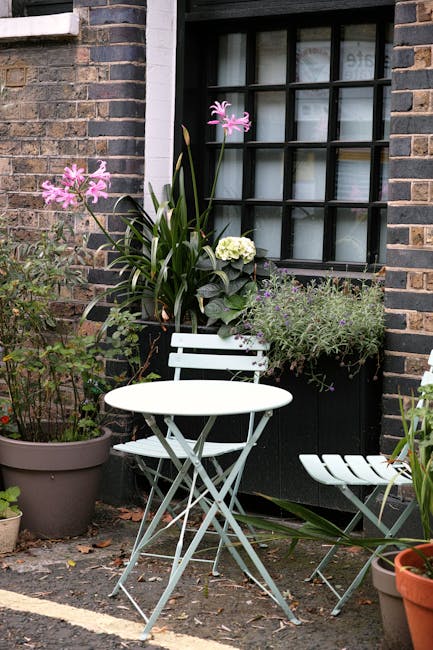
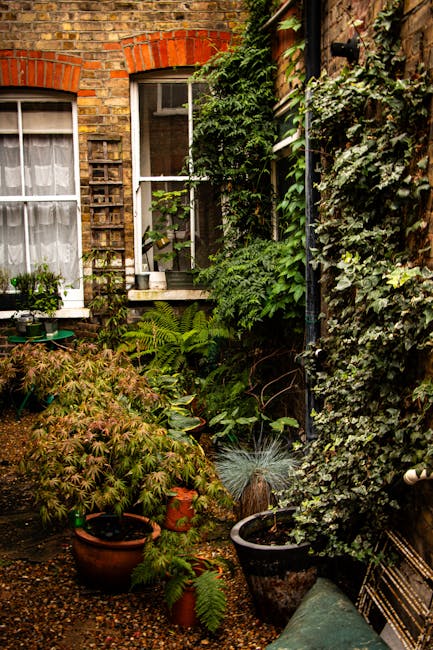
Cricklewood Broadway gardeners for small urban gardens
If you live near Cricklewood Broadway, you already know the challenge: a small urban garden can feel cramped, shaded, windy, overlooked, and just a bit awkward. Yet with the right approach, even a tiny courtyard, narrow terrace, or modest back garden can become a proper living space. That is where Cricklewood Broadway gardeners for small urban gardens make a real difference. They understand how to work with limited square footage, local conditions, and the everyday reality of London life.
In practice, that means better planting choices, smarter layouts, easier maintenance, and fewer expensive mistakes. It also means designing a garden that actually fits how you live. Do you want privacy from neighbouring windows? A bit of colour all year? A low-maintenance space that does not become a weekend chore? Good gardeners think about all of that before a single plant goes in the ground.
This guide walks through what local gardeners do, why it matters, how the process works, and what to look for if you are planning a small garden improvement in the Cricklewood Broadway area. A lot of people think "small" means "simple". Truth be told, it is usually the opposite. The tighter the space, the more every decision matters.
Table of Contents
- Why Cricklewood Broadway gardeners for small urban gardens Matters
- How Cricklewood Broadway gardeners for small urban gardens Works
- Key Benefits and Practical Advantages
- Who This Is For and When It Makes Sense
- Step-by-Step Guidance
- Expert Tips for Better Results
- Common Mistakes to Avoid
- Tools, Resources and Recommendations
- Law, Compliance, Standards, or Best Practice
- Options, Methods, or Comparison Table
- Case Study or Real-World Example
- Practical Checklist
- Conclusion
- Frequently Asked Questions
Why Cricklewood Broadway gardeners for small urban gardens Matters
Small urban gardens are very different from larger suburban plots. Around Cricklewood Broadway, you are often dealing with narrow side returns, overlooked terraces, compact rear gardens, brick walls that bounce heat around, and patchy light because of neighbouring buildings. Sometimes you get an area that looks promising in spring and then turns into a dry, dusty strip by July. Familiar story.
Specialist local gardeners understand that a good garden plan is not just about making things pretty. It is about solving practical problems. In a small garden, every metre counts. A planting choice that works in a big border may look messy or overcrowded here. A paving layout that seems neat on paper may make the space feel boxed in. A skilled gardener sees those issues early and plans around them.
That local understanding matters in London because microclimates can be surprisingly intense. A south-facing wall may create heat stress; a shaded plot may need structural planting instead of sun-lovers; a windy corridor between buildings can flatten taller plants. The right gardener does not guess. They observe, test, and adapt. That is the difference between a space that merely survives and one that feels welcoming every day.
If you are comparing help for your garden, it can also be useful to look at broader services such as regular garden maintenance and practical garden design support. Those pages often explain the sort of ongoing care and planning that small gardens need after the first tidy-up is done.
Expert takeaway: In a compact urban garden, the best results usually come from fewer, better decisions rather than more plants or more features. Simplicity is not a downgrade; it is often the smartest design move.
How Cricklewood Broadway gardeners for small urban gardens Works
The process usually starts with a site visit or a detailed discussion of your space. Good gardeners want to understand how you use the garden now, what frustrates you, and what you would like to change. A family with children may need robust lawn alternatives and safe paths. A couple might want a quiet seating area with planting for privacy. Someone working from home might want a garden that feels calm but stays easy to maintain. Same postcode, very different needs.
From there, the work typically follows a few sensible stages:
- Assessment: measuring the space, noting light levels, drainage, access, and existing features.
- Prioritising: deciding what matters most, such as storage, seating, screening, planting, or easier upkeep.
- Planning: choosing materials and plants that suit the scale and conditions.
- Implementation: clearing, improving soil, installing hard landscaping, planting, and setting up structure.
- Aftercare: making sure the garden settles well, then adjusting as growth and seasons change.
Small garden work often benefits from careful sequencing. For example, if you install paving before checking drainage, you can trap water in a corner that used to drain naturally. If you choose large shrubs without considering mature size, you may lose half the usable space within a year or two. Little things, big consequences. That is why local gardeners tend to think in layers: structure first, planting second, maintenance third.
In many cases, the most useful approach is a tidy, phased one. You do not need to do everything at once. A good team can start with a clean-up and a simple layout refresh, then return later for planting or finishing touches. If you are looking at that kind of staged improvement, a page on landscaping services can help you understand how larger garden changes are usually organised.
Key Benefits and Practical Advantages
The obvious benefit is a better-looking garden. But for small urban spaces, the real value goes deeper than appearance.
- Better use of space: every corner can be assigned a purpose, even if that purpose is simply a narrow strip of planting that softens the fence line.
- Lower maintenance stress: the right plant mix means less constant pruning, watering, and rescue work in summer.
- Improved privacy: well-chosen screening plants, trellis, and layered planting can make an overlooked garden feel calmer.
- Longer seasonal interest: you can get structure, flowers, texture, and colour across the year, not just one burst in June.
- Better value from modest budgets: thoughtful upgrades usually outperform random purchases, and your money goes further when the plan is coherent.
- More usable outdoor living space: even a compact garden can support dining, reading, growing, or relaxing if the layout is right.
There is also a subtle benefit people notice only after the work is done: the garden feels easier to keep tidy. When paths, beds, and containers are arranged well, maintenance becomes quicker and less annoying. That matters more than people expect. Nobody wants to spend Saturday afternoon wrestling with a hedge that should have been planted smaller in the first place.
For readers who want the garden itself to become more productive, nearby support such as planting services and turfing and lawn help can be useful. Not every small garden needs lawn, of course. But where lawn does make sense, the installation and aftercare need to be done properly or it can become patchy fast.
Who This Is For and When It Makes Sense
This kind of service is a good fit if you have a small or awkwardly shaped outdoor space and you want it to look intentional rather than squeezed together. That could mean a back garden in a terraced home, a narrow side return, a basement courtyard, a flat roof terrace with planted containers, or a small front garden that needs a neat, welcoming finish.
It makes particular sense if any of these sound familiar:
- You have limited time and want the garden to stay manageable.
- The space is currently patchy, overgrown, or hard to use.
- Plants keep failing because the light, wind, or drainage are not being accounted for properly.
- You want privacy without making the area feel dark or boxed in.
- You are unsure how to blend planting, paving, storage, and seating in a small footprint.
It is also worth considering professional help if you have already made one or two expensive mistakes. Maybe a tree has outgrown the bed. Maybe the soil is tired and nothing is thriving. Maybe the garden looks fine in one season and terrible in the next. That happens. A lot. The right gardener can reset the space and make it work again.
If you are unsure whether your project needs a one-off visit or ongoing support, a service such as garden clearance can be a good starting point, followed by structured maintenance or planting once the space is under control.
Step-by-Step Guidance
For small urban gardens, the best results usually come from a clear sequence. Here is a practical way to approach it.
1. Start with the real constraints
Measure the space properly. Note where the sun falls in the morning and late afternoon. Check whether the soil is shallow, compacted, clay-heavy, or sandy. Look at privacy, drainage, access, and how often the garden is actually used. A shady corner that stays damp all winter needs a different strategy from a baking-hot patio.
2. Decide what the garden must do
Do you need somewhere to sit, eat, grow herbs, dry clothes, store tools, or keep the kids occupied? Do you want the garden to feel lush, calm, productive, or neat and modern? Pick the top two or three jobs. Trying to do everything in a tiny space usually ends in clutter.
3. Build around structure first
In small gardens, structure carries the whole design. That might mean paving lines that guide the eye, raised beds that define edges, a small pergola, trellis for vertical planting, or edging that keeps gravel and borders tidy. The structure should make the garden feel larger, not busier.
4. Choose plants for scale and resilience
Choose plants that suit London conditions and the actual size of the garden. Compact shrubs, climbers, grasses, bulbs, and seasonal perennials can deliver a lot without crowding the space. The trick is not just choosing attractive plants. It is choosing plants that behave well over time.
5. Plan for maintenance from day one
Small gardens get messy quickly if maintenance is an afterthought. Think about watering access, pruning requirements, leaf drop, and how much time you want to spend each month. A garden that looks elegant but is a pain to maintain will not stay elegant for long.
6. Review after the first season
Even the best-planned garden may need tweaks once plants settle in. Perhaps one corner gets more shade than expected, or a climber grows faster than predicted. That is normal. The best gardens evolve a little. They are not frozen on day one.
A local expert will often build the plan with those adjustments in mind. If you are comparing options, it can help to view hard landscaping solutions alongside planting work, because a small garden often needs both to feel complete.
Expert Tips for Better Results
A few small choices can make a surprisingly big difference. These are the sort of details that experienced gardeners tend to notice quickly.
- Use height carefully: vertical planting can create privacy and depth, but too much of it can make the garden feel cramped.
- Keep the palette restrained: two or three key materials, and a plant palette that repeats naturally, will usually look calmer than a crowded mix.
- Prefer layered planting: combine groundcover, mid-height planting, and one or two structural features to create depth.
- Think in reflections: pale walls, reflective surfaces, and lighter paving can help brighten shaded spaces, if used sensibly.
- Leave breathing room: open space matters. A tiny garden needs somewhere for the eye to rest.
One practical tip that gets overlooked all the time: watch how the space feels at different times of day. A garden may look fine at noon and feel gloomy by 5 pm, or the reverse. In early evening, with the sound of traffic easing off a little, you notice the soft bits more. The scent from herbs, the movement of leaves, that bit of warmth off a wall. Those small sensory things matter. They are part of why a garden feels like home.
If you want to support healthy plant growth over the longer term, ask about soil improvement, seasonal feeding, and whether your beds need better drainage or mulching. Many small gardens benefit from regular attention rather than dramatic intervention. That is where ongoing garden care can be especially useful.
Common Mistakes to Avoid
Small gardens punish poor decisions quickly. That sounds harsh, but it is true. Here are the most common problems we see.
Choosing plants that grow too large
It is easy to fall in love with a plant in the nursery and forget what it will look like in three years. In a small garden, mature size matters far more than instant impact. A shrub that reaches shoulder height may be perfect; a fast-spreading one may become a headache.
Overcrowding the layout
Too many features make the garden feel smaller than it is. Big planters, extra furniture, and multiple decorative elements can fight each other. If everything is trying to be the star, nothing wins.
Ignoring light and shade
This is a classic mistake. People buy sun-loving plants for a north-facing or heavily shaded spot, then wonder why everything sulks. The remedy is simple in theory, but it takes proper observation. Match the plant to the conditions, not the label photo.
Forgetting drainage
Urban gardens can have compacted soil or patched surfaces that trap water. If you do not deal with drainage early, you can end up with muddy corners, slippery paving, or root rot. Not glamorous, I know, but essential.
Making maintenance too complicated
High-maintenance borders may look lovely for a week. Then life happens. Keep it realistic. If you only have time for a monthly tidy, the design should support that.
Sometimes the best move is to simplify rather than add. That is not giving up. It is good judgment.
Tools, Resources and Recommendations
Whether you are hiring a gardener or handling parts of the work yourself, a few tools and resources make the process smoother.
| Need | Useful tool or resource | Why it helps in a small urban garden |
|---|---|---|
| Planning | Measuring tape, notebook, simple sketch | Helps you avoid overfilling the space and keeps decisions practical |
| Plant selection | Shade/sun notes, plant labels, seasonal reference photos | Reduces the risk of choosing plants that fail in your actual conditions |
| Maintenance | Bypass secateurs, hand fork, watering can with fine rose | Good for smaller, more precise work without damaging delicate planting |
| Layout | String line, stepping stones, temporary markers | Lets you test circulation before committing to paving or beds |
| Ongoing support | Seasonal maintenance plan | Keeps pruning, feeding, and tidying on track through the year |
For readers exploring local support, pages such as patio installation and hedge trimming services can be useful if your small garden needs a cleaner structure or sharper boundaries. And if you are dealing with a garden that has become a little unruly, clearance and tidy-up work is often the quickest way to get back to a workable starting point.
A sensible rule of thumb: buy fewer tools, but buy decent ones. Cheap tools that bend, slip, or blunt quickly just slow everything down. Nobody needs that kind of drama on a damp Saturday morning.
Law, Compliance, Standards, or Best Practice
Most small garden projects are straightforward, but there are still a few UK best-practice points worth keeping in mind. If your work is limited to planting, pruning, maintenance, or simple garden refreshes, compliance is usually light-touch. Once you move into paving, retaining features, trees, drainage changes, or boundary work, the picture can become more involved.
For example, if you are altering drainage, working near shared boundaries, or touching structures that may be close to neighbouring property, it is wise to check the practical implications before proceeding. If a garden backs onto a shared wall or fence, good communication with neighbours can save a lot of friction later. No one enjoys surprises involving noise, access, or water runoff.
Tree work deserves special care. Large trees, protected trees, or work in conservation-sensitive situations may involve extra checks. A responsible gardener will not pretend otherwise. If something looks uncertain, they should recommend the right specialist rather than guess.
Best practice for small London gardens also includes safe disposal of green waste, sensible use of chemicals, and attention to plant health. A careful professional will use methods that are proportionate to the job and appropriate for a domestic setting. If you are hiring someone, ask how they handle waste, what their maintenance process looks like, and whether they work in line with normal UK garden care standards.
In other words: if a project is simple, keep it simple. If it starts to involve structural or boundary issues, pause and check. That is the calm, grown-up approach, really.
Options, Methods, or Comparison Table
There is more than one way to improve a small urban garden. The right choice depends on budget, timeframe, and how much change you want to see. Here is a straightforward comparison.
| Approach | Best for | Pros | Limitations |
|---|---|---|---|
| One-off tidy-up | Overgrown or cluttered spaces that need quick recovery | Fast, affordable, good for regaining control | May not solve layout or planting issues long term |
| Planting refresh | Gardens with a decent structure but tired planting | Big visual improvement without a full rebuild | Won't fix awkward paving, poor drainage, or circulation problems |
| Full small-garden redesign | Spaces that feel unusable, cramped, or badly planned | Best for long-term function and appearance | Requires more planning and usually more budget |
| Ongoing maintenance | People who want the garden kept in shape all year | Reliable, less stress, easier seasonal control | Needs regular scheduling and commitment |
For many homeowners and tenants, the best solution is a combination: tidy-up first, then planting, then maintenance. That order is simple, but it works. If you are weighing those options, a broader service overview such as landscaping support can help you see where the work sits between design, build, and aftercare.
Case Study or Real-World Example
Imagine a narrow rear garden off a terrace near Cricklewood Broadway. It is about the size of a long hallway, with a bit of lawn, tired paving, a fence that has seen better days, and one corner that stays shaded until midday. The owner wants somewhere to sit for coffee, a little planting for privacy, and something that does not need constant fussing over.
A practical approach would start with a clear-out, then a rethink of the layout. The old lawn might be reduced or replaced in part with more durable surfaces. A narrow paved area could become the main seating spot. Along the fence line, a mix of climbers and compact shrubs would soften the boundary without stealing all the space. A couple of well-placed containers could add colour near the door, where they are easy to see and easy to water. Simple, but effective.
The key thing here is not just aesthetics. The layout makes daily life easier. It creates a place to sit without stepping across wet grass. It gives structure to a small garden. And because the plant choices are matched to shade and size, the garden has a much better chance of staying tidy over time. That is the kind of result people usually want, even if they do not say it in exactly those words.
Small gardens often need restraint. Once that clicks, things get better quickly. The space feels calmer, and somehow bigger too.
Practical Checklist
Use this checklist before you start or when you are reviewing a gardener's plan.
- Have you measured the garden accurately?
- Do you know which areas get full sun, partial shade, and deep shade?
- Is the main purpose of the garden clearly defined?
- Have you allowed enough open space for movement and seating?
- Are the plant choices suitable for the mature size of the garden?
- Is drainage likely to be an issue anywhere?
- Have you thought about privacy from neighbouring windows or upper floors?
- Will the maintenance level suit your actual routine, not your ideal routine?
- Have you checked whether any boundary, tree, or access issues need extra care?
- Is there a realistic plan for aftercare once the work is finished?
If you can tick most of those boxes, you are already in good shape. If not, that is fine too. It just means the plan needs a bit more thinking before work starts. Better now than later.
Conclusion
Cricklewood Broadway gardeners for small urban gardens offer more than a tidy finish. They bring local know-how, realistic planning, and the kind of detail that turns a compact outdoor space into something genuinely useful. In a small garden, the margins are tight. Every plant, path, and panel has to earn its place. That is why careful design and ongoing maintenance matter so much.
Whether you want a neat refresh, a planting-led transformation, or a full rethink of a cramped space, the smartest route is usually the one that fits your garden's actual conditions and your day-to-day life. Not the dream version. The real one. And that is where experienced local gardeners really shine.
If you are ready to improve a small garden and want the project handled with care, practicality, and a local eye for what works in London homes, take the next step and explore your options with confidence.
Get a free quote today and see how much you can save.
Sometimes the smallest gardens become the most loved ones, because they are shaped around real life. That is a lovely thing, honestly.
Frequently Asked Questions
What do Cricklewood Broadway gardeners for small urban gardens usually help with?
They typically help with planting, pruning, tidy-ups, layout improvements, soil care, privacy planting, container displays, and ongoing maintenance. In smaller spaces, the emphasis is usually on making the garden easier to use and easier to keep in shape.
Is a small urban garden worth professionally designing?
Often, yes. Small gardens can be harder to plan than larger ones because every inch matters. Professional input helps avoid overcrowding, poor plant choice, and awkward layouts that waste space.
How do I know if my garden needs a full redesign or just maintenance?
If the structure is sound and the main issue is weeds, overgrowth, or tired planting, maintenance may be enough. If the space feels unusable, cramped, or poorly laid out, a redesign is usually the better option.
What plants work best in small London gardens?
It depends on the light, shelter, and soil, but compact shrubs, climbers, grasses, shade-tolerant perennials, and containers often work well. The best choice is always the one matched to your exact conditions.
How often should a small urban garden be maintained?
That depends on the planting style and how tidy you want it to look. Some gardens need monthly care, while others benefit from seasonal visits and a lighter touch between them.
Can a small garden still have privacy without feeling boxed in?
Yes. Good screening uses layering rather than solid barriers alone. Trellis, climbers, carefully placed shrubs, and thoughtful height control can create privacy while still keeping the space open.
Are patio and paving changes useful in a compact garden?
They can be very useful if they are designed properly. In small spaces, the right paving or patio layout can improve circulation and make the garden feel more spacious. Poorly planned hard landscaping, though, can make it feel tighter.
Do small urban gardens need lawn?
Not always. Many compact gardens work better without a traditional lawn, especially if space, shade, or maintenance are concerns. Alternatives like paving, gravel, planting beds, or artificial turf may be more practical, depending on your goals.
What should I ask a gardener before hiring them?
Ask about experience with small gardens, plant selection for local conditions, maintenance options, waste removal, drainage considerations, and whether they can help with both design and aftercare. Clear answers usually tell you a lot.
How can I make a tiny garden look bigger?
Use a restrained material palette, create clear lines, keep some open space, add vertical interest carefully, and avoid filling every corner. Simple layouts with layered planting often make a space feel larger than it is.
Is there anything I should check before starting garden work near a boundary or shared fence?
Yes. It is wise to consider neighbour access, shared boundaries, drainage impact, and any tree or structure issues before starting. If something seems uncertain, ask for guidance rather than guessing.
What is the best first step if my small garden has become overgrown?
Start with a clear-up and a basic assessment of what can stay, what needs removing, and what conditions the garden actually has. Once the space is visible again, it becomes much easier to plan sensible improvements.